Igalo to uzdrowisko tuż na zachód od Herceg Novi, a dostawa obejmuje promenadę w Igalo i jest dopasowana do harmonogramu Twoich zabiegów.
Popularne auta na wynajem w Igalo
Płaskie sprawunki nad nadbrzeżem nie potrzebują niczego więcej niż auto miejskie. Dopiero transgraniczne wycieczki jednodniowe sprawiają, że większe auto warte jest autostradowych kilometrów.
Uzdrowisko przy zachodnim wejściu do zatoki
Odbierz auto na wynajem w Igalo, a droga wzdłuż zatoki otwiera się w obie strony: na wschód do Kotoru, Perastu i Risanu wzdłuż północnego brzegu oraz na zachód do granicy chorwackiej i plaż półwyspu Luštica. Lotnisko Tivat leży około 55 km drogą dookoła zatoki przez Kotor i Herceg Novi, około 1 godziny 20 minut. Jeśli przyjeżdżasz z Chorwacji, możesz wynająć auto na lotnisku w Dubrowniku, około 90 minut na północ drogą. Żadna publiczna linia autobusowa nie łączy lotnisk bezpośrednio z Igalo, więc wynajem to praktyczny przylot dla każdego przylatującego.
Miasto uzdrowiskowe przy wejściu do zatoki
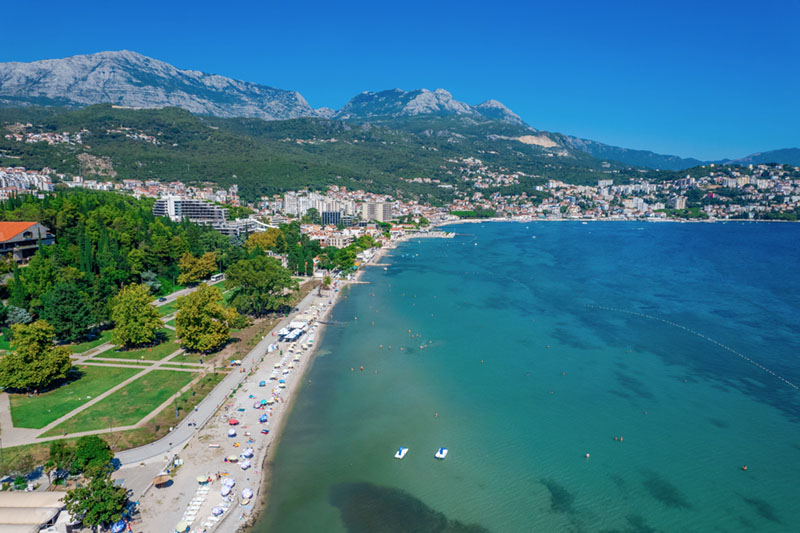
Igalo jest zachodnim przedłużeniem Herceg Novi, zajmującym płaski pas nadmorski między ujściem Zatoki Kotorskiej a starszym Herceg Novi na wzgórzu powyżej. Oba miejsca łączą się nieprzerwanie w praktyce, a przechodzisz z Igalo do Herceg Novi wzdłuż nadbrzeżnej promenady bez żadnego widocznego znaku granicznego. Igalo zwrócone jest na południe ku najbardziej zewnętrznemu odcinkowi zatoki, osłonięte przed otwartym Adriatykiem, ale z wystarczająco szerokim aspektem, że woda jest tu spokojniejsza i płytsza niż w wewnętrznych zasięgach zatoki wokół Kotoru. Otoczenie (płytka zatoka, łagodny mikroklimat, mineralne źródła) jest tym, co nadało osadzie jej szczególny charakter kurortu zdrowotnego, funkcję, którą pełni w zorganizowanej formie od połowy XX wieku.
Igalo leży około 47 km od chorwackiego przejścia granicznego w Debeli Brijeg drogą. Granica to kwestia minut autem, a bliskość Dubrownika (około 45 km od Igalo) sprawia, że miasto przyjmuje część odwiedzających przybywających przez Chorwację lub robiących jednodniowe wypady przez granicę. W drugim kierunku wzdłuż drogi przy zatoce Djenovići i Bijela leżą na wschód wzdłuż północnego brzegu.
Institut Dr Simo Milošević, historia i zabiegi
Institut Dr Simo Milošević jest najważniejszą instytucją w Igalo i jedną z najbardziej znanych leczniczych placówek uzdrowiskowych na zachodkich Bałkanach. Jego początki sięgają 1935 roku, kiedy badacze w Vichy we Francji potwierdzili właściwości lecznicze błota wydobywanego z dna zatoki w Igalo. To naukowe potwierdzenie doprowadziło bezpośrednio do założenia uzdrowiska i kurortu zdrowotnego w 1949 roku, kiedy instytut został formalnie założony. Nazwano go imieniem doktora Simo Miloševicia, czarnogórskiego lekarza i działacza zdrowia publicznego, którego praca pomogła ustanowić wiarygodność medyczną programu leczenia peloidowego.
Instytut znacznie się rozwinął w okresie jugosłowiańskim. Josip Broz Tito regularnie korzystał z placówki w celach leczniczych (jego willa "Galeb" znajdowała się przy nabrzeżu Igalo), a powiązanie z jugosłowiańską elitą państwową zapewniło instytutowi zasoby i renomę przez lata 60. i 70. XX wieku. Kolegium Fizjoterapii zostało otwarte w ramach instytutu w 1976 roku i zostało przekształcone w Wydział Stosowanej Fizjoterapii w 2004 roku, czyniąc instytut członkiem-składowym Uniwersytetu Czarnogóry. Dziś instytut działa jako spółka akcyjna i przyjmuje zarówno gości programów medycznych, jak i krótsze pobyty wellness.
Błoto peloidowe używane w leczeniu jest wydobywane z dna morskiego zatoki Igalo, gdzie osady, które się gromadzą, to ciemnoszare morskie błoto charakteryzujące się wysoką zawartością minerałów i biologicznie aktywnymi związkami. Składnik organiczny pochodzi z Posidonia oceanica, trawy morskiej, której łąki pokrywają obszary dna zatoki, a gdy materiał roślinny rozkłada się w mało tlenowych osadach, tworzy frakcję organiczną peloidów. Zabiegi dotyczą przede wszystkim schorzeń reumatycznych, zaburzeń stawów i rehabilitacji pooperacyjnej. Instytut jest funkcjonującą placówką medyczną z własną bazą hotelową dla gości programów, a ogólnodostępne zabiegi jednodniowe zazwyczaj nie są oferowane. Odcinek plaży Blatna w pobliżu instytutu zapewnia wolny dostęp do leczniczego błota dla każdego, kto chce je bezpośrednio stosować, a ma to charakter nieformalny i samodzielny, a nie kliniczny.
Sprawdź aktualne ceny i dostępność dla dostawy do Twojego hotelu lub uzdrowiska w Igalo.
Bezpłatne anulowanie w większości stawek · dostawa do hotelu nad nadbrzeżem
Plaża i promenada
Plaża w Igalo ciągnie się przez około 500 metrów wzdłuż pasa nadmorskiego, z powierzchnią głównie żwirową z odcinkami twardszego ubitego piasku. Woda zatokowa jest tu osłonięta i spokojna, zatoka Igalo zwrócona jest ogólnie na południe, wejście do zatoki w Kamenari jest odległe o około 10 km na wschód, a płytka woda szybko nagrzewa się wiosną. Pływanie jest możliwe od końca maja w większości lat. Leżaki i sezonowe udogodnienia plażowe są dostępne wzdłuż centralnego odcinka. Odcinek plaży Blatna na zachodnim końcu pasa plażowego to miejsce, gdzie lecznicze błoto jest naturalnie obecne w płyciznach.
Główna promenada, Šetalište Pet Danica, biegnie u podnóża wzgórza nad zatoką przez około 6 do 7 km łącznie, łącząc Igalo na zachodnim krańcu z Meljine na wschodnim, z nabrzeżem Herceg Novi pośrodku. Odcinek Igalo do Herceg Novi to najczęściej przemierzany fragment, z promenadą szeroką, płaską i miejscami zacienioną śródziemnomorską roślinnością, przechodzącą poniżej gęstego schodkowego miasta Herceg Novi, zanim dotrze do portu w Herceg Novi i wejścia do starego miasta. Spacer w jedną stronę z plaży w Igalo do portu w Herceg Novi zajmuje około 20 minut w spokojnym tempie.
Igalo poza instytutem
Dla odwiedzających, którzy nie są ani gośćmi programów medycznych, ani zagorzałymi turystami spa, Igalo oferuje zrelaksowany pobyt przy nabrzeżu z dobrym dostępem do starego miasta Herceg Novi i spokojniejszą plażą niż bardziej zatłoczone odcinki wokół samego starego miasta. Promenada jest obustronnie wyłożona kawiarniami i małymi restauracjami, a owoce morza dominują w większości menu, a miejscowa tradycja konob serwujących nieskomplikowane jedzenie w rozsądnych cenach trzyma się tu lepiej niż w bardziej turystycznie zorientowanym centrum Herceg Novi. Kilka małych hoteli i prywatnych apartamentów tworzy bazę noclegową. Charakter Igalo poza sezonem jest szczególnie łagodny, ponieważ drzewa mimozowe wyściełające drogę nadmorską kwitną w lutym, nadając Herceg Novi jego coroczny Festiwal Mimozy i utrzymując kolory przy nabrzeżu przez sezon, w którym reszta czarnogórskiego wybrzeża jest w stanie uśpienia. Igalo dzieli ten charakter, a mikroklimat przy wejściu do zatoki należy do najbardziej umiarkowanych w Czarnogórze, a zima jest tu krótka i łagodna w porównaniu z obszarami w głębi lądu.
Herceg Novi i okolice
Stare miasto Herceg Novi (z morską twierdzą Forte Mare przy porcie, wieżą Kanli Kula nad starym miastem i twierdzą Španjola wyżej na wzgórzu) to 20 minut spaceru promenadą od plaży w Igalo. Schodkowe uliczki starego miasta (Herceg Novi słynie z zabudowy na stromym zboczu z bardzo nielicznymi płaskimi drogami) najlepiej zwiedzać pieszo, a dolne wejście przy porcie to miejsce, od którego zaczyna większość odwiedzających. Za Herceg Novi droga wzdłuż zatoki biegnie dalej na wschód przez Djenovici i Bijelę i dookoła wewnętrznej zatoki do Kotoru. W drugim kierunku droga na zachód z Igalo dociera do przejścia granicznego Debeli Brijeg do Chorwacji w około 10 minut. To jedno ze spokojniejszych przejść granicznych między Czarnogórą a Chorwacją i zwykle jest szybsze niż przejście Kobila dalej na północ przy drodze nadmorskiej. To właśnie wynajęte auto pozwala swobodnie poruszać się po obu stronach wejścia do zatoki podczas pobytu w Igalo.
Dojazd do Igalo wynajętym samochodem
Lotnisko Tivat to standardowy punkt odbioru, około 55 km drogą dookoła zatoki i około 1 godziny 20 minut. Lotnisko w Dubrowniku jest 90 minut na północ drogą lądową i pasuje odwiedzającym przyjeżdżającym z Chorwacji. Gdy już jesteś w Igalo, auto przydaje się także poza samym miastem: wewnętrzna Zatoka Kotorska, cypel Rose na półwyspie Luštica i przejście graniczne do Chorwacji na jednodniową wycieczkę do Dubrownika wymagają własnych kółek.
Popularne trasy z Igala
Stare Miasto Herceg Novi pieszo lub autem (poniżej 10 minut)
Trzy kilometry na wschód deptakiem Šetalište Pet Danica dociera się do portu Herceg Novi i nadmorskiej twierdzy Forte Mare, około 20 minut pieszo lub krótki skok autem. Wieża Kanli Kula ponad Starym Miastem i twierdza Španjola wyżej na wzgórzu dopełniają trójkę.
Wycieczka do Chorwacji przez Debeli Brijeg (Dubrownik poniżej 90 minut)
Przejście graniczne Debeli Brijeg do Chorwacji jest około 10 minut na zachód, jedno ze spokojniejszych przejść Czarnogóra-Chorwacja. Dubrownik leży mniej więcej 45 km za przejściem, a przepustka transgraniczna i Zielona Karta są potrzebne przy rezerwacji.
Dookoła zatoki do Tivatu i na Luštica (około 1 godziny 20 minut)
Na wschód obok Bijeli i wokół wewnętrznej zatoki przez Risan i Kotor, a potem przez tunel Vrmac do Tivatu i dalej na półwysep Lustica. Lotnisko Tivat jest oddalone o około 55 km, czyli około 1 godziny 20 minut.
Pętla wewnętrznej zatoki do Perastu i Kotoru (pół dnia)
Na wschód drogą wzdłuż północnego brzegu przez Đenovići, Bijelą i Risan dociera się do Perastu, a potem do otoczonego murami Starego Miasta Kotoru. Zarezerwuj około pół dnia z postojem na nabrzeżu w Peraście dla Matki Boskiej na Skale.
Ochrona na transgraniczne wycieczki jednodniowe
Igalo przylega do Herceg Novi od zachodu, około 6 km od chorwackiej granicy w Debeli Brijeg, co czyni je naturalnym punktem wypadowym na transgraniczne wycieczki jednodniowe, do Chorwacji wzdłuż wybrzeża lub do Bośni drogą na Trebinje. Jeśli zamierzasz przekroczyć granicę, zezwolenie i Green Card trzeba wybrać przy rezerwacji, a funkcjonariusze graniczni sprawdzają dokumenty, więc przygotowanie formalności przed porannym przejazdem pozwala uniknąć kolejki z niewłaściwymi papierami.
Ochrona i kaucja działają tak samo po obu stronach granicy, gdy zezwolenie jest już na miejscu. zobacz, jak wypadają pakiety ubezpieczenia zanim wyruszysz.
Kiedy Igalo sprawdza się jako Twoja baza?
Wybierz Igalo, jeśli spokojny pobyt nastawiony na leczenie przemawia bardziej niż kurortowy zgiełk, ze spa na promenadzie, chorwackim przejściem około sześciu kilometrów na zachód i resztą zatoki zaczynającą się tuż wzdłuż brzegu. Wynajmij auto w Igalo a pełniejszy wybór sklepów i restauracji w Herceg Novi to krótki przeskok na wschód, ze spokojniejszymi plażami wokół Bijela dalej wewnątrz zatoki, gdy masz ochotę na zmianę wody.
Auto z wypożyczalni w Igalo: częste pytania
Goście uzdrowiska i podróżujący autem pytają o różne rzeczy przy wynajmie w Igalo, ale jedni i drudzy natrafiają na te same kilka kwestii praktycznych: gdzie auto może czekać, gdy korzystasz z zabiegów, jak blisko naprawdę jest chorwacka granica i czy nadmorska promenada ogranicza miejsca do parkowania.
Czy warto wcześnie rezerwować czarnogórskie auto na wynajem?
Tak, zwłaszcza na podróże w lipcu i sierpniu, gdy popyt osiąga szczyt, a dostępność się zacieśnia. Letnie ceny są wyższe niż w miesiącach przejściowych. Rezerwacja z wyprzedzeniem zwykle zapewnia zarówno lepszą dostępność, jak i stawki.
Jakie jest minimalne doświadczenie w prowadzeniu przy czarnogórskim wynajmie?
Najniższy wymóg doświadczenia w całej flocie to 1 rok. Poszczególne pojazdy mogą wymagać więcej, niektóre 3 lat lub więcej. Wpisz swoje doświadczenie w prowadzeniu w filtrze przy wyszukiwaniu, aby zobaczyć tylko pasujące auta.
Co obejmuje Full Coverage przy czarnogórskim wynajmie?
Full Coverage dodaje SuperCDW (ochronę szkód kolizyjnych ze zmniejszoną odpowiedzialnością kierowcy) ponad ochronę odpowiedzialności wobec osób trzecich. Szkody szyb i kół są również objęte. Kaucja na tym poziomie to około 100 euro, a ceny różnią się zależnie od pojazdu.
Czy Igalo jest oddzielone od Herceg Novi?
Igalo i Herceg Novi praktycznie zlewają się w jeden ciągły obszar. Igalo to zachodnia kontynuacja Herceg Novi, około 3 km od centrum miasta drogą nadmorską.
Z czego znane jest Igalo?
Igalo znane jest z instytutu zdrowia i spa dr Simo Milosevic, jednego z najstarszych ośrodków talasoterapii w Europie. Wielu odwiedzających przyjeżdża na programy instytutu, a auto na wynajem ułatwia połączenie tam pobytu z szerszym zwiedzaniem zatoki.
Jak daleko jest Kotor od Igalo autem?
Kotor leży około 43 km od Igalo, mniej więcej 50 do 60 minut autem. Trasa prowadzi na wschód wzdłuż zatoki przez Herceg Novi i dookoła wewnętrznej zatoki przez Risan do Kotoru.
Czy odbiór lub zwrot w jedną stronę jest dostępny w Igalo?
Tak. Igalo leży przy zachodnim wejściu do Zatoki Kotorskiej, 5 km od Herceg Novi, więc to wygodny punkt końcowy dla wynajmujących wylatujących z Dubrownika. Koszt zwrotu różni się zależnie od odległości i dostawcy i pojawia się na etapie finalizacji rezerwacji. Zobacz wynajmy w jedną stronę dla pełnego pokrycia.
Zatrzymaj się przy uzdrowisku, a nadmorski deptak jest Twój, podobnie jak przejazd do Herceg Novi.
Dostawa pod Twój nocleg nad morzem