Updated 3 September 2026
Is it worth renting a car in Montenegro?
Renting a car in Montenegro is worth it for most trips, and significantly so. Montenegro packs a fjord-like bay, a beach Riviera, walled old towns and high mountain national parks into a country you can cross in two hours, and a car is what lets you actually use that. You reach the hidden coves and cliff-top villages that buses skip, you set your own timetable instead of waiting at a stop, and you can cross from the coast to the mountains in a morning. Early starts to beat the Kotor cruise crowds, spontaneous detours to a viewpoint, a wine stop on the way back from Skadar Lake: none of that works on public transport.
Montenegro car hire also tends to cost less than the equivalent taxis or private transfers across a week, especially with two or three people sharing, and it is far more convenient than the bus: no fixed timetable to plan around, no changes to make, and it reaches the coves, villages and viewpoints the bus network never touches. Most cars need no credit card to book and free cancellation is offered on a large part of the fleet, so checking live prices early costs nothing. Most trips begin at the coast airports, so you can rent a car at Tivat Airport and drive straight to your base instead of waiting on a transfer.
Trip planner
What kind of trip are you planning?
What a car opens up
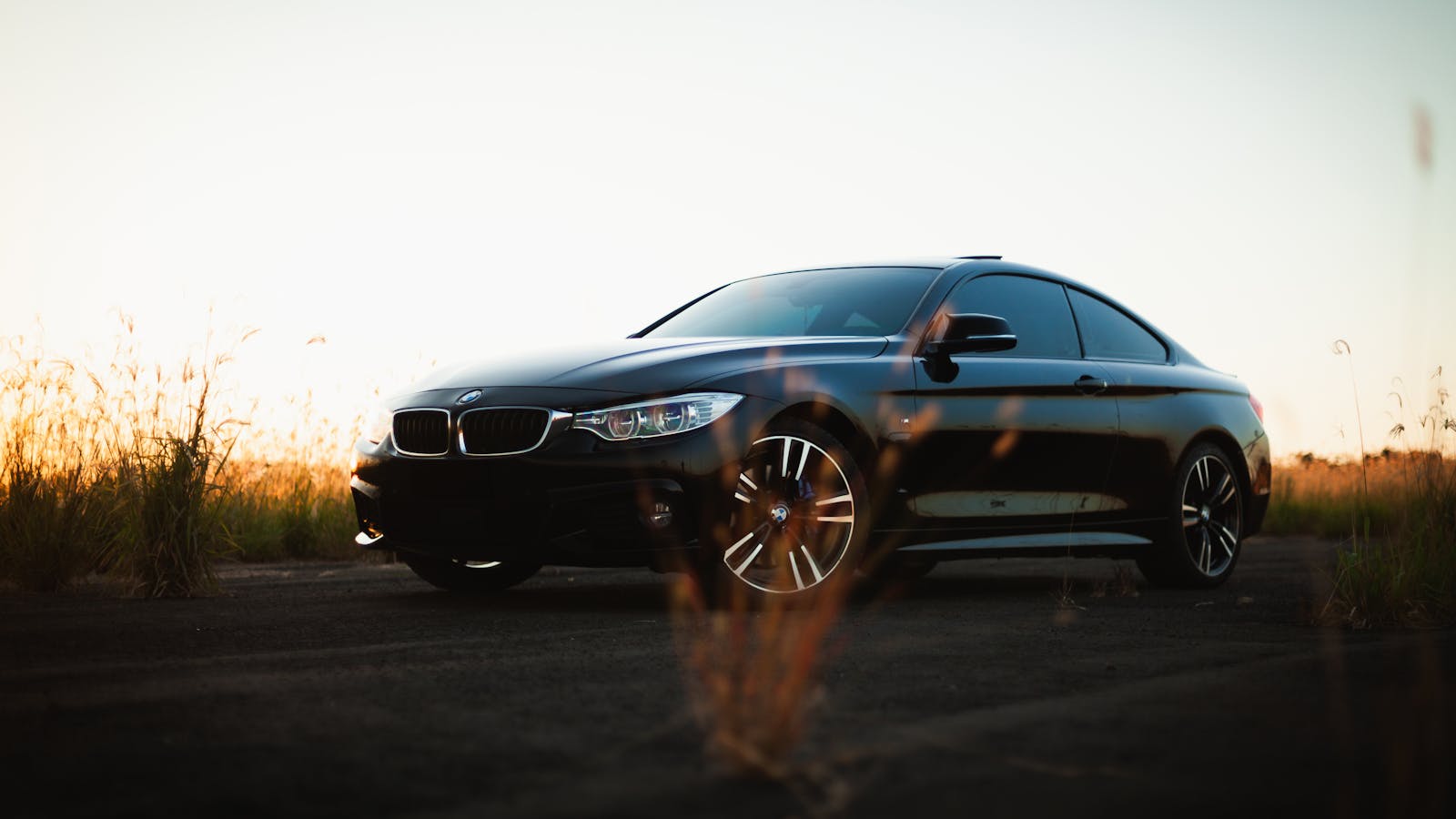
A car earns its keep here because the highlights are scattered and the distances are short. From a single base you can reach the Kotor bay, the Budva Riviera and a mountain pass on the same trip, often in the same day. It opens up the coast villages and hidden beaches that buses skip, the Durmitor and Lovćen national parks, the Tara Canyon and the Skadar Lake wineries. It also frees your timing: early starts to beat the Kotor cruise crowds, late swims, spontaneous detours. Public transport can move you between the big towns, but it cannot improvise, and improvising is most of the fun of a Montenegro road trip.
The schedule advantage is just as real as the reach. Kotor old town fills with cruise-ship passengers by mid-morning; with a car you can be there at opening and gone before the queues form. Lovćen and the canyon viewpoints are emptier in the early evening when the last tour bus has already turned back. A lap of the Bay of Kotor takes 40 minutes by car; the same journey by bus with a connection takes most of a morning. Those margins do not show up in the rental rate, but they are the ones most visitors remember.
What driving in Montenegro is actually like
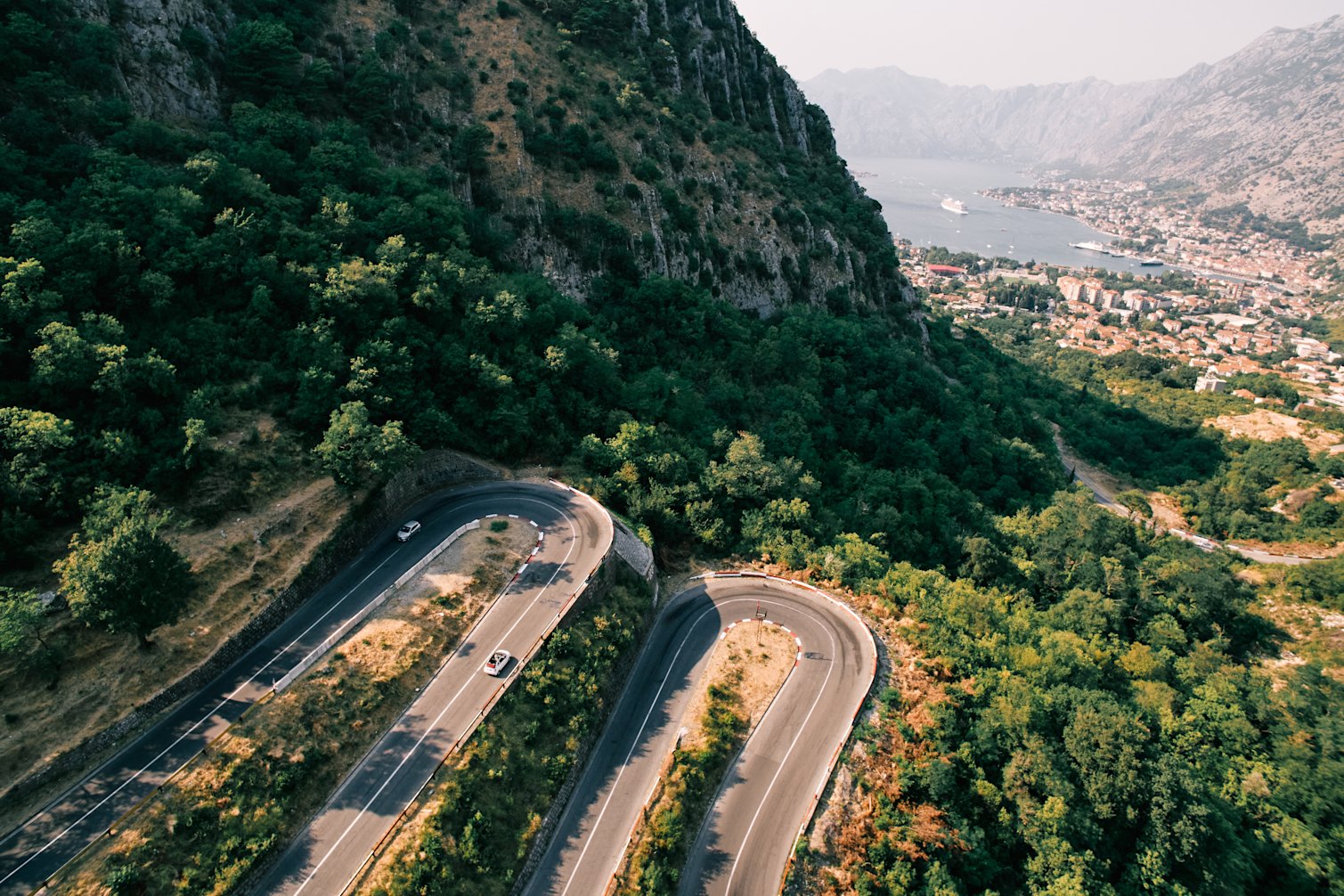
The main roads are easier than Montenegro's reputation suggests. The coastal route between Herceg Novi and Budva is a well-maintained two-lane road, heavily used in summer but perfectly driveable. The motorway from Podgorica north toward Kolašin is modern and fast. The roads that require real attention are the mountain passes: the Kotor serpentine up to the fortress, the winding climb over Lovćen, and the high roads into Žabljak and Durmitor. These are tarmacked and open to ordinary cars, but they are narrow, steep and unforgiving at the edge. Take them slowly, keep to your side, and enjoy the view rather than hurrying. Tunnels cut through several of the old mountain routes, so you can often bypass the hardest sections if you prefer. Road quality drops on rural back roads, particularly inland and in the north, where potholes are common after winter.
Parking: what to expect in summer
Parking in the coastal towns is free in winter and paid in summer, and the gap between the two feels dramatic if you arrive expecting to park easily. In Kotor, the main car park outside the old town walls fills by 9 am in July and August; later arrivals pay street-parking rates or walk from a further lot. In Budva the old town car park is similar. The practical move is to park at your accommodation and walk or taxi to the old towns rather than trying to drive in. Outside the peak coast towns, parking is generally free and untimed. The mountain towns, Kolašin, Žabljak, have no parking problems at all. If you are staying outside the town centres, as most visitors with cars do, the parking issue is much smaller than the reviews of Kotor make it sound.
What renting a car actually costs
Rental pricing varies by car, category and date. Low season rates are noticeably lower; July and August push them higher, with spring and autumn sitting in between. Beyond the daily rate, budget for fuel, paid parking in the coastal towns in summer, and the occasional road toll; there is no nationwide motorway charge, just a couple of toll points. Most cars need no credit card to book, free cancellation is available on much of the fleet, and a refundable deposit may be held at pickup depending on the car and the insurance tier you choose. Spread across a week and a couple of travellers, the daily cost is usually less than the taxis and tours a car replaces.
What a car saves you compared to alternatives
A rough comparison across a typical week-long trip to the Bay of Kotor and the Budva Riviera: airport transfer from Tivat to Kotor and back costs around double the car rental for two days alone. A day trip from Kotor to Budva by taxi returns can match the daily rental rate. An organised day tour to Durmitor or Lake Skadar typically costs per person what a day's rental costs for a whole car. Spread across seven days with two or three people sharing, the rental usually works out significantly cheaper than equivalent taxis and tours, and it gives you the freedom those options do not. The comparison tilts back toward taxis only for a very short stay in a single walkable location.
Live prices for your dates across Montenegro.
Free cancellation 24h before pickup
Getting around Montenegro without a car
Public transport works for a stripped-back trip. Intercity buses link the main coastal towns, Herceg Novi, Kotor, Budva, Bar and Ulcinj, and run inland to Podgorica and the northern towns, with tickets cheap and bought at the station or on board. The catch is reach and rhythm: services thin out to the villages, the mountain passes and the national parks, fill up on summer weekends, and turn a 40-minute drive into a half-day with changes. Taxis and private transfers cover the airport runs and short hops well but add up quickly over several days. For one or two set-piece destinations the bus is fine; for a roaming trip a car is far less effort.
The short answer
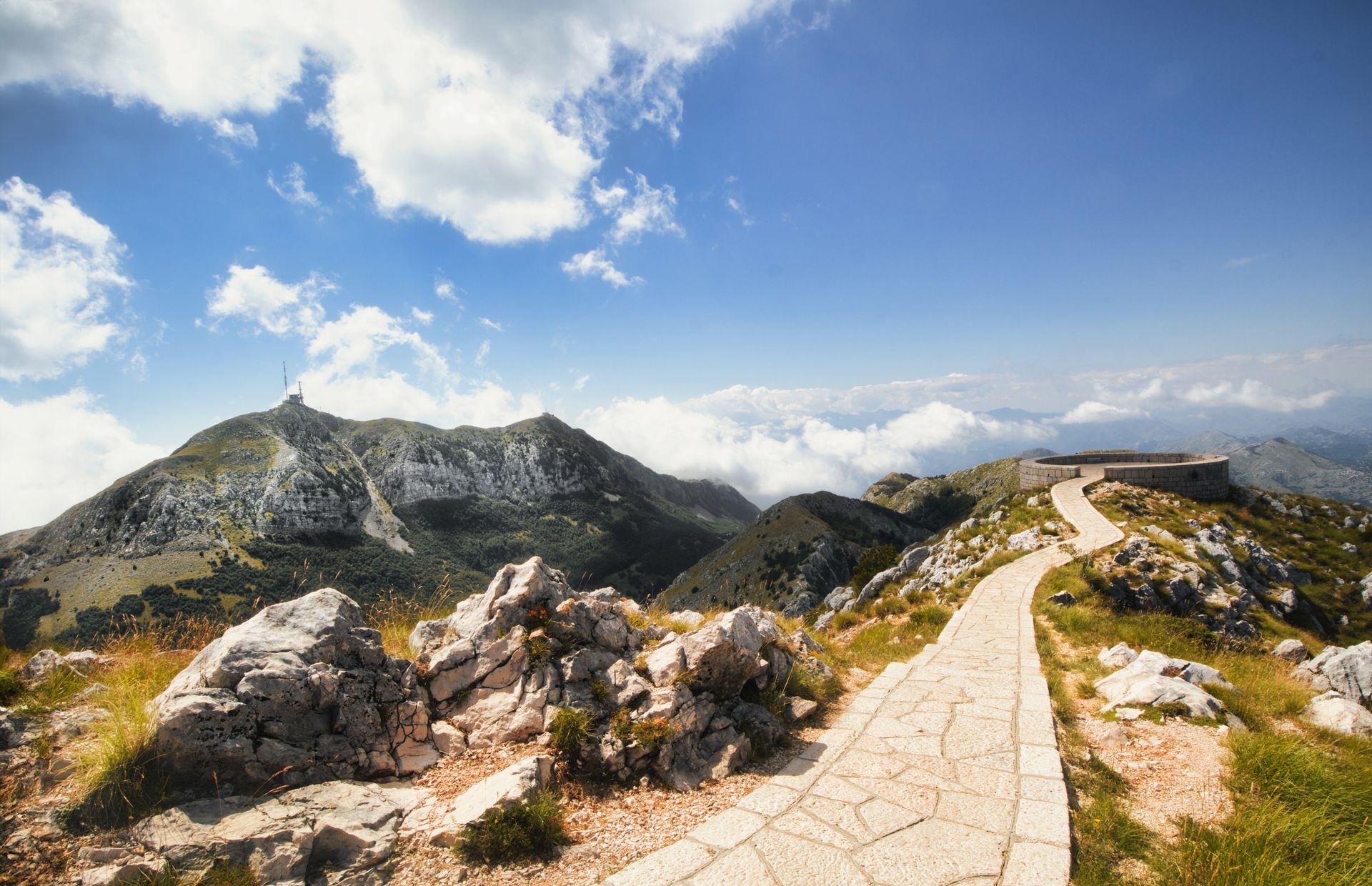
For a trip confined to one walkable town with no day trips, a car is less essential on the town days, and avoiding peak summer parking is a genuine upside. For anything wider, the coast plus the mountains, the national parks and the villages between, renting is comfortably worth it, and usually cheaper than piecing the same route together by taxi and tour. Search live prices for your dates and you will see the daily rate before you commit; with free cancellation on most cars, locking it in early costs nothing.
Renting a car in Montenegro: FAQs
Whether a car is worth it usually comes down to a handful of practical questions: what renting actually costs once fuel and summer parking are added in, how the driving really compares with taking the bus, and how much of Montenegro you would simply miss without one. The answers below work through the day rates and the extras to budget for, the no-credit-card and free-cancellation terms, the road conditions on the coast and in the mountains, and the trips where a car clearly earns its keep against taxis and transfers. They reflect what travellers ask most often in the days before they confirm a booking. If the day rate is what matters most, our budget car rental in Montenegro puts the least expensive cars first.
Do you need a car in Montenegro?
Yes for most trips. The coast villages, mountain passes and national parks around Žabljak are spread out and thinly served by public transport; a car is the difference between seeing one town such as Kotor and seeing the country. For a single-base stay in one walkable town with no day trips planned, it is less essential, but the moment your plans reach beyond that town the answer flips.
Is it easy to drive in Montenegro?
Yes, on the main roads. The coastal and motorway routes are straightforward; the mountain passes and the Kotor serpentine are slower and need care, but nothing requires special experience. The Montenegro driving guide covers road conditions and local rules.
Is it cheaper to rent a car or rely on taxis and transfers?
For anything beyond a single walkable town, a rental usually works out cheaper across a week, especially with two or three people sharing. A return airport transfer or a couple of day-trip taxis often costs more than two or three days of hire, and the car covers all the stops in between that taxis charge for separately.
Can you get around Montenegro without a car?
Partly. Buses connect the main coastal towns and the capital reasonably well, but they are slow, get crowded in summer and barely reach the villages, the mountains and the national parks. Taxis and transfers fill short gaps but are much more expensive than renting a car over any multi-stop trip.
Is renting a car in Montenegro worth it for a week?
For a week almost always yes. Seven days is enough to combine the Bay of Kotor, the Budva Riviera and a mountain or national-park day, and a car is the only practical way to string those together. Spread over the week, the daily rate is usually less than the taxis and tours it replaces.
What documents do I need to rent a car in Montenegro?
A valid driving licence and a passport or national ID. Licences in Roman script (EU, UK, US and most others) are accepted as they are; an International Driving Permit may be asked for alongside a non-Latin licence. Bring the main driver under whose name the booking is made.
Is parking expensive in Montenegro?
In the main coastal towns in summer, yes. Kotor and Budva charge for parking near the old towns in July and August, and the most central spots fill early. If you are staying outside the old towns, as most visitors do, parking at your accommodation and walking in is the standard approach. Outside the coast, parking is generally free.
Are the roads in Montenegro safe and easy to drive?
The main routes are straightforward; the coast road and the motorway north are easy driving. The mountain passes, including the Kotor serpentine and the roads to Durmitor, are tarmacked but narrow and steep. Take them slowly and they are fine in a standard car. Avoid rushing on the bends. Rural back roads can have potholes, particularly after winter.
Can you drive to Albania and Kosovo from Montenegro?
Yes, with a cross-border fee added to the booking. Albania and Kosovo require the higher tier that includes a Green Card. Croatia, Bosnia and Serbia are covered on the standard neighbouring-countries tier. Check the booking widget to filter cars by cross-border coverage for the countries you plan to visit.
Live availability across Montenegro so you can check the cost before you commit.
Free cancellation available on most cars