Получение в Режевичах с доставкой на подъездную дорогу к монастырю и прибрежную полосу Перазица До, а парк здесь меньше, бронирование за неделю в июле и августе гарантирует категорию.
Популярные авто напрокат в Reževići
Асфальтированную прибрежную дорогу компакт осилит без проблем, но грубые колеи к бухтам и вверх к монастырю требуют 4x4.
Автомобильный доступ на Паштровской Ривьере
Получите прокатное авто в Режевичах, и подъездная дорога к монастырю и колеи к бухтам с побережья в нескольких минутах от получения. Аренда авто здесь - единственный практичный способ добраться до монастыря и бухт Перазица-До, так как нет автобусной остановки у поворота к монастырю, а у прибрежной дороги нет тротуара. Аэропорт Тиват в 28 км к северу по Адриатической магистрали, около 35 минут через Будву при лёгком трафике, а если вы прибываете изнутри страны, вы можете взять авто напрокат в аэропорту Подгорица, примерно в 80 км через тоннель Созина. Доступ к району Режевичи обозначен с прибрежной дороги между развилкой Пржно и поворотом на Свети-Стефан, а дорога к монастырю отмечена небольшим придорожным указателем и доступна для обычных машин большую часть года.
Машина также делает практичным перемещение между отдельными бухтами в течение дня, а не привязку к одному месту, и короткие поездки на юг к Свети-Стефану и Петровацу или на север к Пржно и Будве в рамках того же пребывания.
Мыс Паштровской Ривьеры
Режевичи не являются курортом. Это небольшое поселение на Паштровской Ривьере, участке побережья между Пржно и Петровацем, который носит название по имени клана Паштровичи. Мыс между Пржно и Свети-Стефаном является местом, где прибрежная дорога ненадолго уходит вглубь, а боковая дорожка спускается к воде и ряду небольших бухт под соснами и оливами.
Береговая линия здесь сформирована долгим венецианским периодом. Каменные постройки на гребне над морем, небольшие гавани в скале и монастырские комплексы, служившие как религиозными центрами, так и залами собраний для управления кланом, являются его наследием. Участок между Пржно и Свети-Стефаном избежал более плотной застройки, характерной для Будвы и Бечичи к северу.
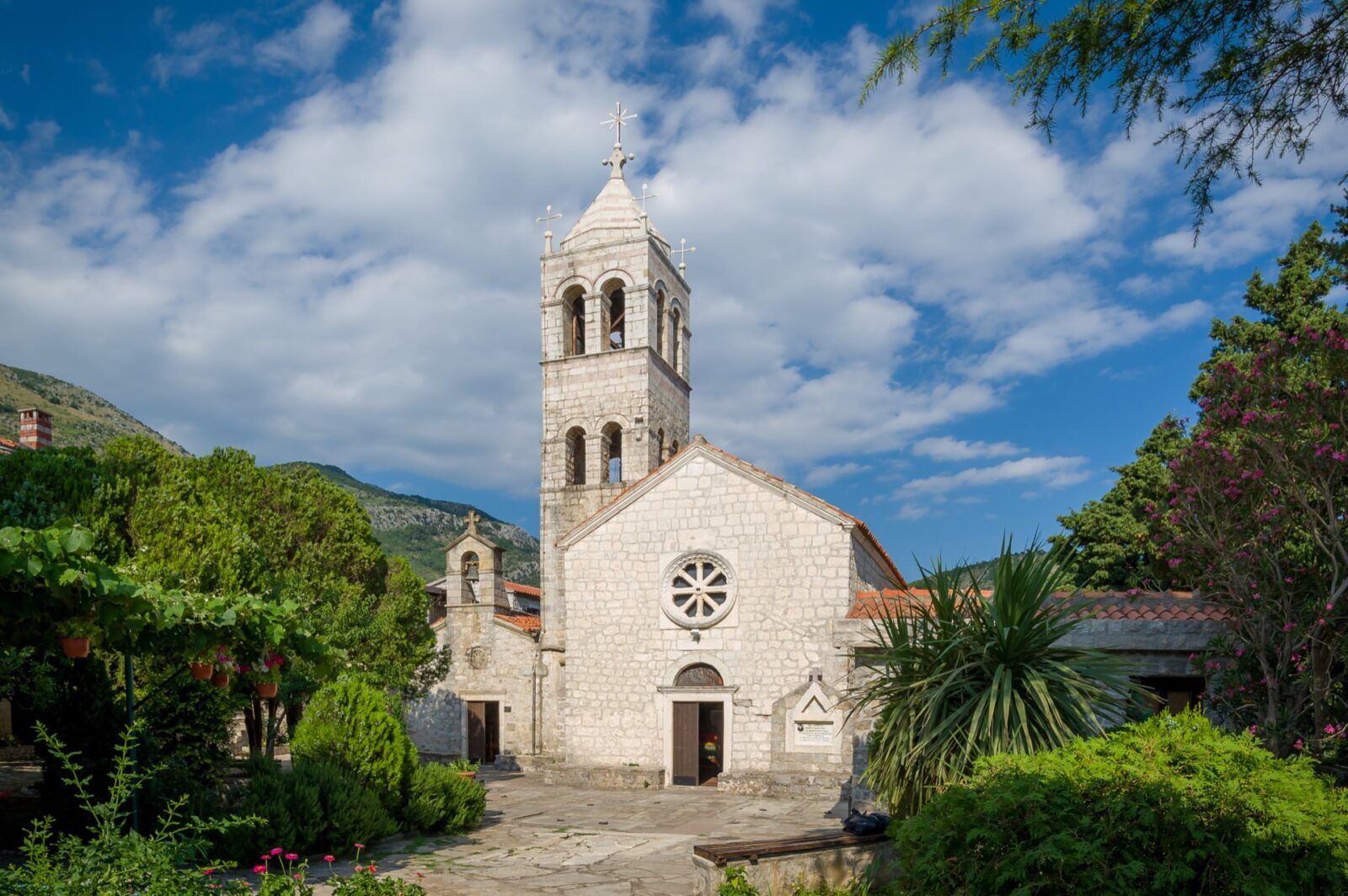
Монастырь Режевичи, история и что сохранилось
Монастырь на гребне над побережьем является самой весомой причиной для посещения этого участка. Монастырь Режевичи является обнесённым стеной православным комплексом, чьё происхождение традиционно относят к около 1223 года. В 1351 году на том же комплексе была построена вторая церковь. Последний вождь, избранный паштровским собранием в этом монастыре, был Стефан Штиляновис, а традиция проведения выборов здесь продолжалась до роспуска венецианской системы.
Монастырский комплекс дважды подвергался внешним нападениям. Видимые сегодня фрески в Церкви Успения относятся преимущественно к началу XVII века. Комплекс является действующим монашеским домом, а двор открыт для посетителей в светлое время суток.
Смотрите актуальные тарифы и наличие для доставки к дороге монастыря или побережью Perazica Do.
Бесплатная отмена по большинству тарифов · доставка к прибрежной дороге
Скалистые бухты и прибрежная тропа
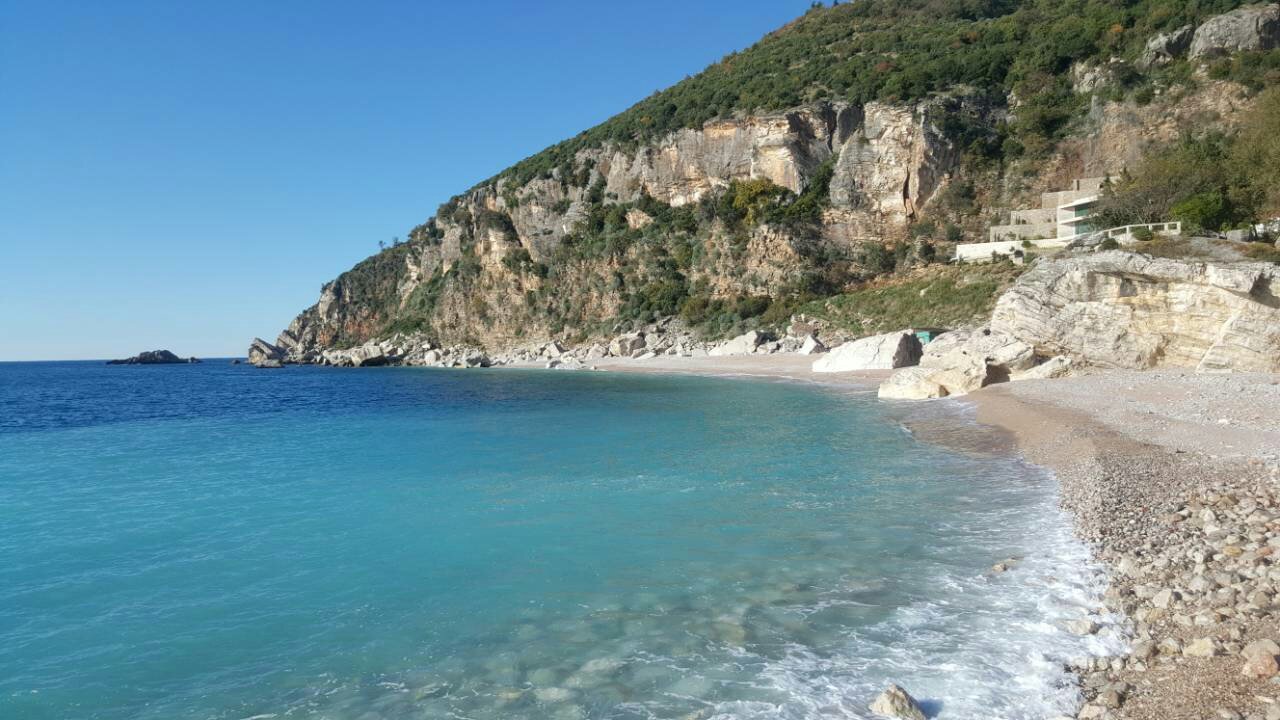
Бухты под мысом Режевичи доступны по дорожке, спускающейся с прибрежной дороги у монастырского съезда. Поверхность в самих бухтах из скалы и гальки, а вход в воду с плоских скальных уступов удобен. Вода здесь чистая, потому что мелководное дно в основном из камня, а не из песка.
Прибрежная тропа соединяет бухты обратно на север к Пржно и на юг к пляжу парка Милочер и дамбе Свети-Стефана. Вне июля и августа бухты тихие. Район Перазица-До непосредственно под гребнем с монастырём является наиболее упоминаемым въездом на этот участок побережья.
Чем отличается этот участок
Паштровская Ривьера между Пржно и Петровацем является одним из последних участков черногорского побережья, застроенных в манере будванской полосы. Результат, береговая линия, где открытые для всех бухты остаются реальными вариантами.
Сезонные паттерны следуют за более широкими черногорскими, например май-июнь тепло и мало туристов, июль-август пик сезона, сентябрь лучший месяц по общему мнению, ведь вода наиболее тёплая, толпы поредели. После октября район становится очень тихим.
Соседи, Пржно и Свети-Стефан
Режевичи расположены между двумя более посещаемыми участками Будванской Ривьеры. К северу Пржно примерно в 2 км, небольшая рыбацкая деревня. К югу Свети-Стефан примерно в 3 км, знаковый обнесённый стеной островок. Между ними парк Милочер, бывший королевский сад Карагеоргиевичей.
Размещение в этом районе
В самих Режевичах нет крупных отелей. Размещение представляет собой смесь частных вилл, апартаментов в небольших семейных домах и нескольких сдаваемых комнат. Более крупный инвентарь отелей в Свети-Стефане и Пржно, и многие посетители базируются в Будве или Бечичи и приезжают на машине. Для посетителей без машины участок между Пржно и Свети-Стефаном теоретически проходим по прибрежной тропе, но расстояния делают аренду автомобиля практичным вариантом.
Популярные маршруты из Режевичи
Монастырь Режевичи на гребне (менее часа)
Монастырь XIII века стоит на гребне над прибрежной дорогой, с церковью Успения, основанной около 1223 года, и второй церковью Святой Троицы 1351 года. Двор с большим ореховым деревом открыт в светлое время суток.
Бухты Перазица-До пешком (короткая поездка)
Боковая колея спускается от прибрежной дороги возле монастыря к району Перазица-До, ряду небольших каменистых бухт в тени сосен и олив. Плоские каменные уступы дают лёгкий вход в прозрачную воду.
Свети-Стефан и Пржно (менее 10 минут)
Свети-Стефан примерно в 3 км на юг для вида на островок и пляжа у общественной дамбы. Пржно лежит в 2 км на север по той же прибрежной дороге, с пляжем парка Милочер между ними.
Петровац и петля вглубь страны на полдня (полдня)
Петровац примерно в 9 км на юг по прибрежной дороге с его римской мозаикой и венецианской крепостью. Автомагистраль Созина от Бара вглубь страны к Скадарскому озеру делает возможной более широкую петлю без особых лишних затрат времени.
Страхование на тихой Ривьере
Режевичи, один из наименее освоенных отрезков Ривьеры, чуть к северу от Петроваца, где боковые дороги вниз к бухтам тихие, но грубее главного шоссе. При малом движении риск столкновения низок, но неасфальтированные спуски смещают угрозу к ударам днищем и редким проколам, а не к царапинам при парковке.
Повреждения днища и шин исключены из стандартного CDW, поэтому для более грубых прибрежных дорог что добавляют верхние уровни перед вылазкой.
Когда Reževići имеет смысл как база?
Наименее застроенный уголок Паштровской Ривьеры что-то требует от своих посетителей, с грубыми боковыми полосами к бухтам, монастырём 13 века на хребте и почти никакой инфраструктурой, которую не открывает машина. Взамен мыс остаётся по-настоящему тихим, с пляжами и ресторанами Петроваца в коротком переезде на юг за припасами и полным набором Будва в пределах получаса к северу, когда тишина наскучит, так что место вознаграждает всех, кто рад поездить ради уединения.
Аренда авто в Режевичах: вопросы и ответы
Ни один автобус не останавливается у поворота к монастырю, а к бухтам нет тропы от дороги, так что в Reževići машина, не удобство, а сам смысл приезда. Будьте готовы спрашивать, насколько грубы спусковые колеи, где машина может безопасно встать над скалами и как монастырь вписывается в полдня.
Плачу ли я полную сумму аренды при бронировании моего авто в Черногории?
При бронировании берётся авансовый платёж онлайн; остаток стоимости аренды погашается с поставщиком при получении. Машины с бесплатной отменой позволяют вернуть аванс, если вы отменяете более чем за 24 часа до получения.
Возьмут ли с меня плату за дальние поездки при аренде в Черногории?
Нет на машинах с неограниченным пробегом, а это большая часть парка. Однодневные поездки и более длинные перегоны в пределах Черногории не несут платы за километры на этих машинах. Ищите метку неограниченного пробега при поиске.
Можно ли арендовать электросамокат вместе с моим прокатным авто в Черногории?
Да. Электросамокат с зарядкой предлагается как платное дополнение на небольшой части машин. Удобно для коротких поездок и тесных по парковке центров городов. Выбирайте при оформлении бронирования.
Чем известны Режевичи?
Режевичи - небольшая деревня на Будванской Ривьере примерно в 10 км к югу от Будвы. В районе находится средневековый православный монастырь (монастырь Режевичи), открытый для посетителей, обычно примерно с 07:00 до 19:00.
Как добраться до Режевичей из Будвы на машине?
Едьте на юг по прибрежной дороге из Будвы в сторону Петроваца. Режевичи примерно в 10 км и около 15 минут по этой дороге. Указатели на монастырь видны с главной дороги.
Прокатное авто - лучший способ посетить Режевичи?
Да. Деревня небольшая с малым общественным транспортом. Прокатное авто позволяет включить Режевичи в более широкую ривьерную поездку на день, которая может также захватить Свети-Стефан, Пржно и Петровац; всё в пределах 20 км.
Поддерживается ли возврат в один конец из Режевичей?
Да. Режевичи лежат на Будванской Ривьере в 13 км к югу от Будвы, сразу к северу от Петроваца, и входят в сеть возврата в один конец. Любая плата задаётся расстоянием и поставщиком, и вы видите её при оформлении. Полные варианты маршрутов на странице получения в один конец на Ривьере.
База у прибрежной дороги, и монастырь на утёсе и маленькие пляжи прямо здесь.
Доставка к двери на Ривьере